
Call us now :+8615231196388
 Send Inquiry
 Send Inquiry
Diglycolamine DGA
MOQ : 5 Metric Tons
Diglycolamine DGA Specification
- Molecular Formula
- C4H11NO2
- Form
- Other
- Refractive Rate
- 1.4530
- Ph Level
- 11-12 (basic)
- Structural Formula
- HOCH2CH2NHCH2CH2OH
- Boiling point
- 223 C
- Molecular Weight
- 105.14 g/mol
- Shape
- (liquid)
- Solubility
- Completely soluble in water
- Storage
- Other
- Other Names
- DGA 2-(2-Aminoethoxy)ethanol
- Purity
- 99%
- Poisonous
- No
- HS Code
- 29221100
- Melting Point
- -6 C
- Smell
- Other
- Density
- 1.058 Gram per cubic centimeter(g/cm3)
- Classification
- Other
- Chemical Name
- Diglycolamine
- CAS No
- 929-06-6
- EINECS No
- 213-195-4
- Grade
- Industrial Grade
- Standard
- ASTM
- Type
- Liquid amine compound
- Usage
- Gas treating CO2 capture and H2S removal
- Main Material
- Alkanolamine
- Application
- Other
Diglycolamine DGA Trade Information
- Minimum Order Quantity
- 5 Metric Tons
- Payment Terms
- Others
- Sample Available
- Yes
- Packaging Details
- In 200kg iron drums
Diglycolamine DGA About
- Diglycolamine 99%MIN (CAS:929-06-6)
- Production capacity: 2000MT/year
Product Specification:
| Appearance: |
Colorless |
| Purity: |
99.0%MIN |
| Moisture: |
0.5% |
| Colour: |
15 # |
Application:
- Removes carbon dioxide (CO2) and hydrogen sulfide (H2S) from natural and refinery gas, aliphatic hydrocarbon liquids and other sour hydrocarbon steams.
- Preparation of foam stabilizers, wetting and emulsifying agents, condensation polymers, photoresist strippers, and amides for personal care and metalworking applications.
Efficient Gas Treatment Solutions
Diglycolamine (DGA) is widely recognized for its effectiveness in capturing CO2 and removing H2S from natural gas and other industrial streams. Its high purity and remarkable solubility in water make it a preferred choice for use in gas treatment plants and refineries, where reliability and efficiency are crucial.
Industrial-Grade Quality and Versatility
Manufactured in compliance with ASTM standards, DGA delivers consistent results in a range of industrial applications. Its liquid form and complete solubility ensure simple handling, rapid mixing, and seamless integration into existing processes, whether you are a supplier, exporter, or direct user seeking top performance.
FAQs of Diglycolamine DGA:
Q: How is Diglycolamine (DGA) typically used in industrial processes?
A: DGA is mainly employed in gas treating units for the absorption of carbon dioxide (CO2) and hydrogen sulfide (H2S) from natural gas streams. Its efficiency in selective gas absorption makes it ideal for CO2 capture and H2S removal in refineries and petrochemical plants.Q: What benefits does Diglycolamine offer compared to other amines for gas purification?
A: Diglycolamine provides high selectivity and capacity for acid gas removal, requires less solvent circulation, and is completely miscible in water, allowing for efficient and cost-effective operation compared to some conventional amines.Q: When should Diglycolamine be selected for CO2 or H2S removal applications?
A: DGA is chosen when processes demand high purity, excellent water solubility, and robust basicity for the selective removal of acid gases. It is especially advantageous in applications where both CO2 and H2S removal are critical.Q: Where is Diglycolamine commonly applied?
A: Diglycolamine is primarily utilized in natural gas processing plants, refineries, and other industrial gas purification facilities, particularly in regions like China where large-scale gas treating operations are frequent.Q: What is the standard process for handling Diglycolamine in industrial settings?
A: DGA is used in liquid phase, mixed with water, and circulated through gas treating units under controlled temperatures and pressures. It captures acid gases, which are then separated and the solvent is regenerated for reuse.Q: What are the physical and chemical properties of Diglycolamine relevant to its use?
A: DGA is a clear, colorless liquid with a boiling point of 223C, pH of 11-12, and a density of 1.058 g/cm3. It has excellent water solubility and a refractive index of 1.4530, making it suitable for integration into aqueous gas purification systems.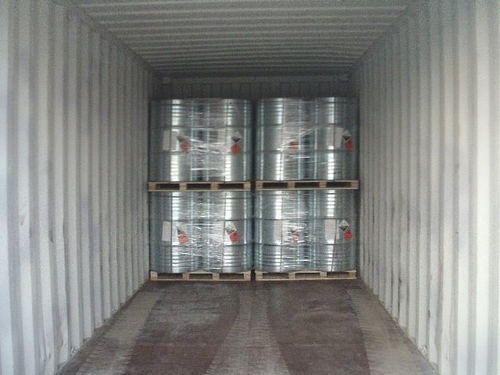
Tell us about your requirement

Price:
Quantity
Select Unit
- 50
- 100
- 200
- 250
- 500
- 1000+
Additional detail
Mobile number
Email

More Products in Amine Seires Category
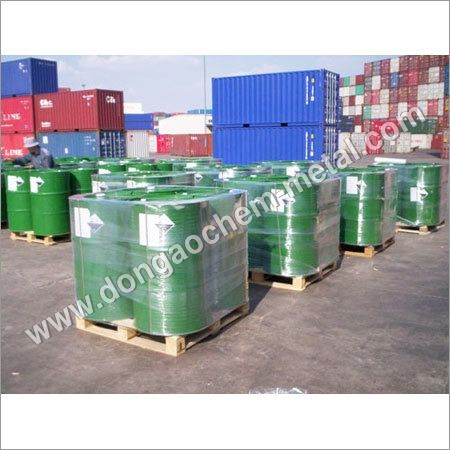
99.5% Dicyclohexylamine
Minimum Order Quantity : 5 Tons
EINECS No : 2029807
Usage : Use for lubrication oil, metal cauting fluid,insecticides, catalysts,
Molecular Formula : C12H23N
CAS No : 101837
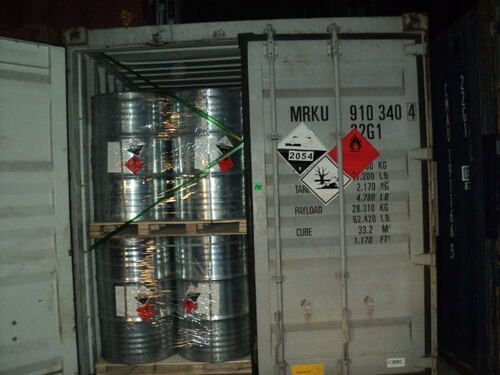
High purity Isopropylamine
Price 4000 INR / Kilograms
Minimum Order Quantity : 5 Kilograms
EINECS No : 2008750
Usage : Laboratory, industrial chemicals, organic synthesis
Molecular Formula : C3H9N
CAS No : 75310
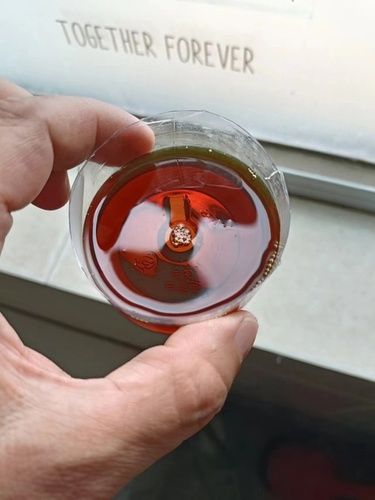
AMINE C8
Price 800 USD ($) / Metric Ton
Minimum Order Quantity : 20 Metric Tons
EINECS No : 2088765
Usage : Industrial, Chemical synthesis
Molecular Formula : C8H19N
CAS No : 111864
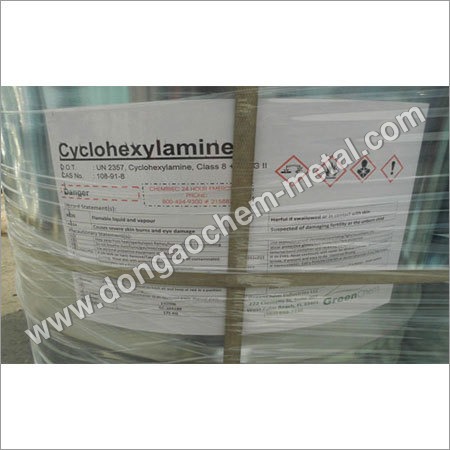
Cyclohexylamine 99.3%MIN
Minimum Order Quantity : 5 Metric Tons
EINECS No : 2036290
Usage : Industrial chemical applications
Molecular Formula : C6H13N
CAS No : 108918

 Send Inquiry
Our Products

No.1, JINYI STREET, Shijiazhuang - 050000, Hebei, China

Mr Bergen Liu
(Proprietor)
Mobile :+8615231196388
 Send Inquiry
Developed and Managed by Infocom Network Private Limited.
